« Back to Intelligence Feed
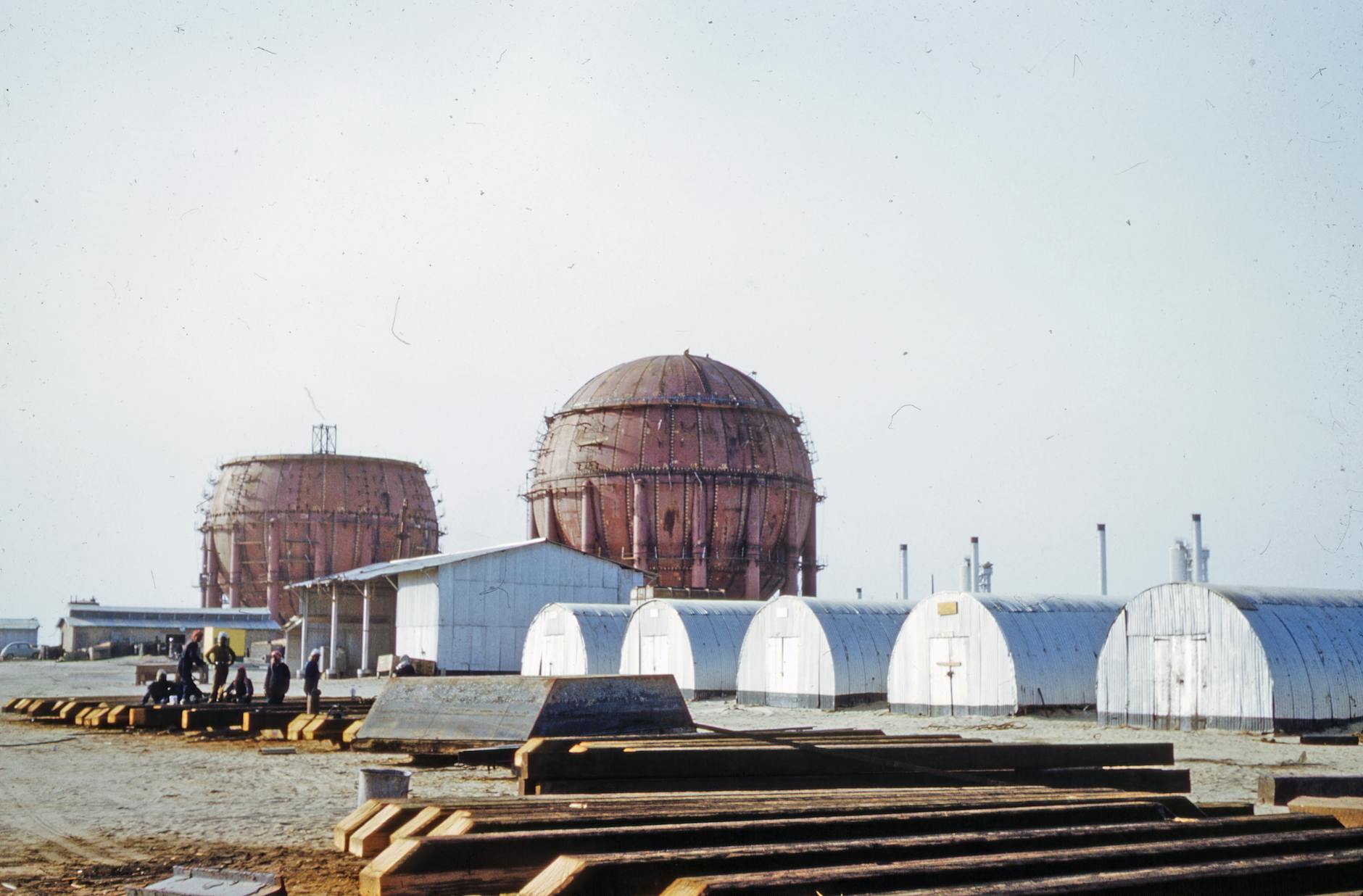
Algeria and Spain discuss increasing gas supplies to the European nation
ABITECH Analysis
·
Algeria
energy
Sentiment: 0.65 (positive)
·
26/03/2026
Spain's diplomatic engagement with Algeria over expanded gas supplies represents a critical inflection point in European energy security—one with substantial implications for investors monitoring both the African resource sector and European infrastructure plays.
The timing is strategic. With Middle Eastern tensions rattling global oil and liquefied natural gas (LNG) markets, Europe faces renewed pressure to diversify away from its historical dependency on Russian energy. Spain, as Europe's primary gateway for African gas, has emerged as a de facto energy broker between the continent and North Africa. Algeria, the Mediterranean's largest gas exporter, holds approximately 2.4 trillion cubic meters of proven reserves—enough to supply European demand for decades if properly monetized.
**The Strategic Context**
Algeria's Sonatrach, the state-owned energy giant, currently supplies roughly 10% of Europe's natural gas. However, aging infrastructure and underinvestment have constrained production growth. Spain currently receives Algerian gas through two pipelines: the Medgaz corridor (running undersea to southern Spain) and transshipment through regasification terminals. The Spanish diplomatic mission signals intent to increase throughput beyond current capacity constraints—a project requiring both capital investment and political stability.
The Iran dimension adds urgency. Escalating Middle Eastern geopolitics threatens Strait of Hormuz transit routes, through which 20% of global LNG passes. European policymakers are rapidly reassessing energy independence strategies. Algeria, geographically stable and politically pragmatic, becomes increasingly valuable as a non-Gulf alternative.
**Market Implications for European Investors**
For European entrepreneurs and investors, this negotiation creates several concrete opportunities:
**Infrastructure Development:** Modernization of Algerian pipelines and regasification capacity requires substantial capital. European engineering firms and project developers should monitor tender processes from Sonatrach. The Medgaz expansion alone could require €500-800 million in upgrades.
**Renewable Energy Convergence:** Algeria possesses world-class solar resources. As Europe negotiates gas agreements, savvy investors should anticipate Algerian demands for European clean-tech partnerships—solar panels, battery storage, and grid management systems. This creates a bundled investment thesis: fund gas infrastructure *and* renewable capacity simultaneously.
**Currency and Commodity Plays:** Increased gas exports strengthen Algeria's fiscal position and foreign currency reserves, potentially stabilizing the dinar. European investors holding Algerian equities (through the Algiers Stock Exchange) may see modest appreciation as energy revenues improve state finances and debt servicing capacity.
**Risks Worth Noting**
Algeria's recent history includes political fragility and corruption concerns within Sonatrack. Supply agreements are only valuable if execution follows. Additionally, a rapid pivot toward renewable LNG alternatives could strand traditional gas infrastructure within 10-15 years, making timing critical for project investment.
The geopolitical reality is clear: Europe cannot afford another energy crisis. Spain's diplomatic push signals that Algeria will remain central to continental energy strategy for the next decade. Investors positioned in Algerian energy infrastructure, related service providers, and downstream European utilities processing African gas will likely benefit from this structural shift.
---
Gateway Intelligence
**Spanish utilities and European pipeline operators (Repsol, Naturgy, Enagás) represent the most direct leverage play—monitor their Q3/Q4 earnings for revised Algeria capex guidance.** For direct Africa exposure, consider undervalued North African renewable energy developers preparing to pitch solar+gas bundles to Sonatrach; these firms will become acquisition targets for major European energy groups within 18 months. **Risk:** Algerian political instability or OPEC-driven gas price collapses could delay projects by 2+ years—only allocate capital to investors with hedging strategies or long-dated contracts.
---
Sources: Africanews
Get intelligence like this — free, weekly
AI-analyzed African market trends delivered to your inbox. No account needed.
