« Back to Intelligence Feed
Egypt's Capital Flight Crisis Meets Industrial Renaissance: A Critical Window for EU Investors in Africa's Largest Arab Economy
ABITECH Analysis
·
Egypt
finance
Sentiment: -0.95 (very_negative)
·
25/10/2022
Egypt faces a paradox that European investors must understand with precision. While the nation experienced unprecedented capital outflows exceeding $25 billion within a single month—a seismic event that rattled regional confidence—the government simultaneously initiated a comprehensive economic repositioning strategy that could reshape investment opportunities across multiple sectors.
The capital flight reflects deeper structural concerns. Foreign investors, spooked by currency pressures and macroeconomic uncertainty, retreated rapidly from Egyptian markets. This exodus signals investor anxiety about sustainability of current economic policies and broader regional geopolitical risks. For European entrepreneurs, this volatility presents both warning and opportunity: market dislocations create pricing inefficiencies and potential entry points for contrarian positioning.
However, Cairo's response reveals sophisticated policy thinking that warrants closer examination. The government announced targeted support mechanisms for Egypt's industrial sector, acknowledging that manufacturing and production capacity represent the nation's genuine competitive advantage. Rather than pursuing consumption-driven recovery, policymakers recognize that industrial development—particularly in value-added sectors—offers sustainable growth pathways. This strategic pivot aligns with Egypt's participation in international forums like the World Economic Forum, where officials articulated a vision for modernized, competitive industries.
Fiscal measures targeting pensions and agricultural taxation demonstrate attempts to broaden the revenue base while protecting vulnerable populations from immediate subsidy removal. President El-Sisi explicitly addressed the political economy challenge: fuel price adjustments, while economically necessary, require careful implementation to prevent social destabilization. This nuanced approach suggests the government understands that investor confidence depends not merely on technical adjustments, but on social stability and policy credibility.
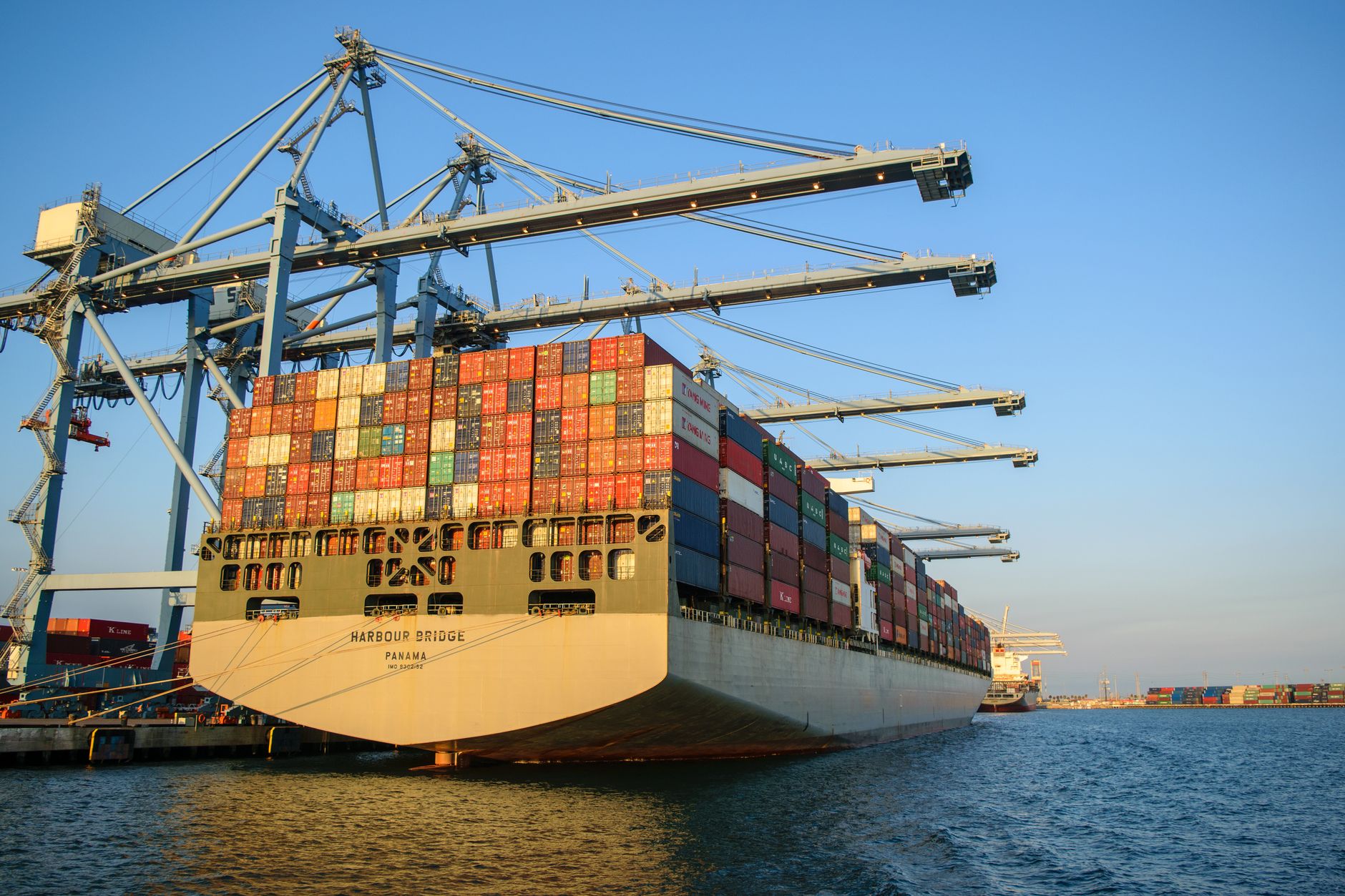
The most strategically significant development involves Egypt's blue economy positioning and infrastructure modernization. Investment in eco-friendly ports and sustainable maritime projects aligns with European sustainability requirements and ESG investment criteria increasingly demanded by institutional capital. For European companies, this creates entry vectors in environmental technology, sustainable logistics, and green infrastructure—sectors where EU expertise commands premium valuations.
The Egypt-EU strategic partnership agreements, valued at multiple billions of euros, represent institutional validation of Egypt's reform trajectory. European capital commitments suggest that despite recent volatility, major institutional actors view Egypt as fundamentally recoverable and strategically important. The framework includes cooperation agreements with nations like Croatia, broadening investment partnerships beyond traditional bilateral relationships.
For European investors, the critical insight involves timing and sectoral selection. The industrial support commitments suggest government resources will concentrate on manufacturing, agribusiness, and infrastructure modernization. These sectors, combined with blue economy opportunities, offer more defensible positions than financial markets currently experiencing outflows.
The capital flight itself, while alarming, may create temporary mispricing in industrial equities and infrastructure bonds. Companies with export exposure or foreign-currency earnings benefit from currency depreciation while domestic asset valuations potentially oversell risks. The government's explicit commitment to industrial sector support signals policy predictability—investors can anticipate future measures will prioritize productive capacity rather than purely financial asset support.
Gateway Intelligence
European industrial manufacturers and infrastructure investors should identify Egyptian production partnerships and port modernization opportunities within the next 6-12 months while valuations remain depressed from capital flight. The $25B outflow represents a correction, not a collapse—government policy explicitly supports industrial rather than financial assets, creating a divergence where manufacturing companies may recover faster than stock indices. Key risk: monitor currency stability and geopolitical developments; entry points should prioritize companies with euro-denominated export contracts or EU partnership agreements.
Sources: Egypt Today, Egypt Today, Egypt Today, Egypt Today, Egypt Today, Egypt Today, Egypt Today, Egypt Today
Get intelligence like this — free, weekly
AI-analyzed African market trends delivered to your inbox. No account needed.
