« Back to Intelligence Feed
Egypt's Industrial Renaissance: How Strategic EU Partnerships and Fiscal Reforms Are Reshaping Africa's Largest Economy
ABITECH Analysis
·
Egypt
macro
Sentiment: 0.65 (positive)
·
23/10/2020
Egypt is executing a comprehensive economic restructuring that signals a fundamental shift in how Africa's most populous nation approaches industrial development, fiscal sustainability, and international partnerships. Recent policy announcements reveal a government committed to balancing immediate citizen welfare with long-term structural transformation—a delicate calculus that European investors operating in the region must understand.
The centerpiece of Egypt's strategy involves deepening industrial sector support alongside targeted fiscal reforms. Egypt's Finance Ministry has explicitly signaled state commitment to backing manufacturing and industrial expansion, recognizing that durable economic growth depends on productive capacity rather than consumption stimulus. This positioning contrasts sharply with previous periods when state resources flowed primarily toward energy subsidies and public sector employment. The shift matters critically for investors: manufacturing clusters in Egypt's new administrative capital and Suez Canal Economic Zone now benefit from coordinated government backing, reducing project execution risk.
Complementing industrial support are nuanced fiscal reforms addressing agricultural taxation and pension sustainability. These measures reflect Cairo's recognition that informal sector revenue collection remains underdeveloped—agriculture employs roughly 25% of Egypt's workforce yet historically generates minimal tax revenue. By modernizing agricultural taxation while simultaneously adjusting pension frameworks, the government is attempting to broaden revenue bases without destabilizing rural communities or retirees. For European agribusiness and food processing firms, these reforms create opportunities in contract farming and agro-industry, particularly when paired with EU trade preferences.
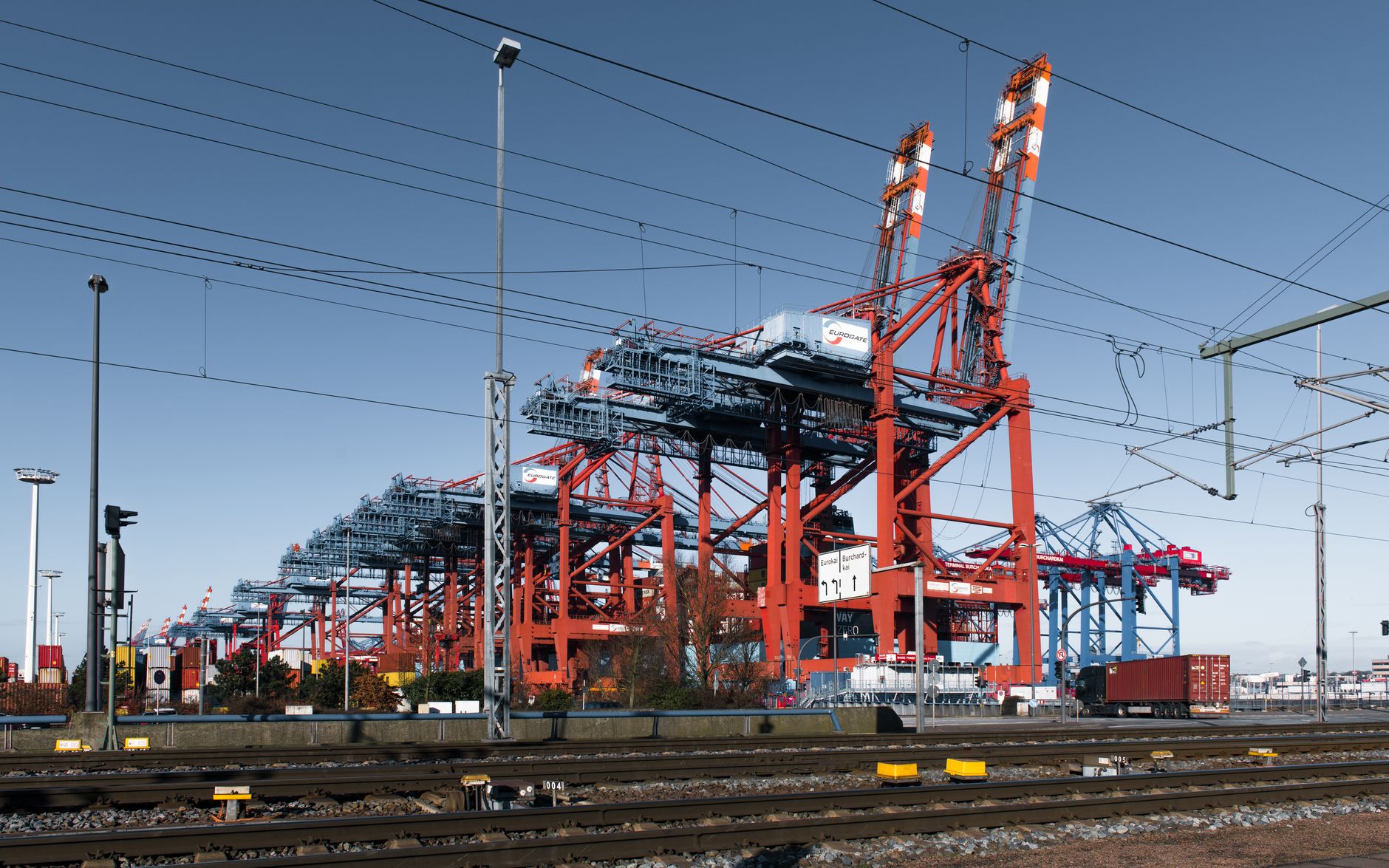
The blue economy dimension adds strategic depth. Egypt's advancement of eco-friendly port infrastructure and marine resource development aligns with both Mediterranean sustainability commitments and the nation's geographical advantages along critical shipping corridors. This is not rhetorical environmentalism; it represents infrastructure investment that generates hard returns. Ports with modern environmental standards attract premium shipping volumes and reduce regulatory friction with EU partners—a competitive advantage as global supply chains increasingly incorporate ESG criteria.
Perhaps most significant for European stakeholders is the Egypt-EU strategic partnership framework, which introduced multi-billion-euro financial commitments. These agreements transcend traditional aid; they represent synchronized economic integration. Energy cooperation, industrial capacity building, and technology transfer accelerate when partnership frameworks include binding financial commitments. The Croatian economic cooperation dialogue signals further bilateral engagement patterns—Europe is systematically deepening ties across multiple vectors simultaneously.
Underlying this entire strategy is a pragmatic approach to energy pricing. President El-Sisi's recent statements acknowledging "inevitable" fuel price adjustments reflect mature fiscal thinking: subsidy reforms cannot be indefinitely postponed without destabilizing macroeconomic stability. However, the government's apparent willingness to absorb short-term citizen discontent suggests confidence in the broader economic trajectory. This signaling matters; it indicates policymakers expect productivity gains and export revenue to eventually offset inflationary pressures.
For European entrepreneurs, the convergence of industrial support, fiscal modernization, EU partnership expansion, and blue economy development creates a specific window. Egypt is simultaneously improving its structural fundamentals while maintaining political stability—a rare combination in emerging markets. The industrial sector stimulus suggests domestically-oriented manufacturing will face reduced bureaucratic friction. EU trade frameworks create preferential market access for Egyptian production. And large infrastructure investments require equipment, engineering expertise, and financing—precisely where European firms possess competitive advantages.
The risk remains: macroeconomic volatility, currency instability, or political disruption could derail this trajectory. But the current policy architecture suggests Egypt's leadership understands that sustainable growth requires productive investment, not consumption stimulus.
Gateway Intelligence
European manufacturers in industrial machinery, agro-processing equipment, and environmental technologies should immediately assess partnerships with Egyptian producers or direct FDI in export-oriented zones, as government support and EU trade agreements create a narrow but genuine competitive window. Monitor currency stability closely—the Egyptian pound's trajectory will determine whether imports remain affordable for local joint ventures, making quarterly forex reviews essential for any committed investment. The pension and agricultural tax reforms are fiscal stabilization signals; interpret them as medium-term confidence in macroeconomic management, suggesting 3–5-year project horizons are now lower-risk than in previous cycles.
Sources: Egypt Today, Egypt Today, Egypt Today, Egypt Today, Egypt Today, Egypt Today, Egypt Today
Get intelligence like this — free, weekly
AI-analyzed African market trends delivered to your inbox. No account needed.
