« Back to Intelligence Feed
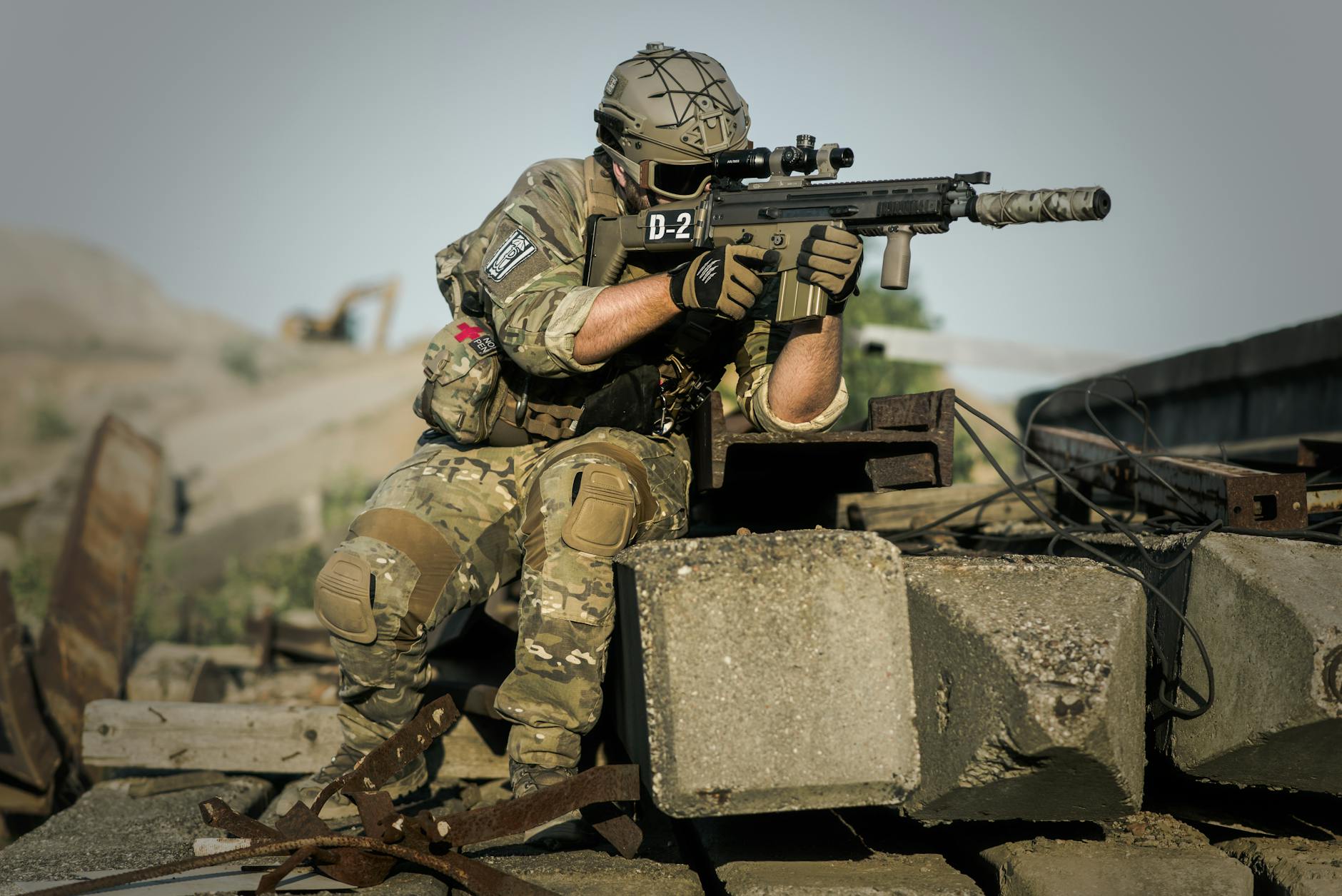
Insecurity: France to support Nigeria with equipment, training – Tinubu
ABITECH Analysis
·
Nigeria
macro
Sentiment: 0.60 (positive)
·
22/03/2026
President Bola Tinubu's announcement of enhanced French military support represents a significant escalation in bilateral defense cooperation between Nigeria and France, marking a strategic repositioning in West Africa's security architecture. The commitment to provide equipment and specialized training signals France's intent to maintain and expand its influence across the Sahel region at a critical juncture when traditional power dynamics are shifting.
Nigeria, Africa's largest economy by GDP and most populous nation, has faced mounting security challenges over the past two decades. The country contends with multiple concurrent insurgencies, including Boko Haram and its splinter group ISIS-West Africa Province (ISWAP) in the northeast, armed banditry in the northwest, and separatist movements in the southeast. These threats have displaced millions, destabilized critical infrastructure, and created widespread economic disruption. The security crisis has directly impacted investor confidence, particularly in sectors like agriculture, telecommunications, and manufacturing, which remain essential to Nigeria's economic diversification strategy.
France's enhanced military engagement with Nigeria reflects broader geopolitical positioning. As Western powers reassess their African strategies following Russian advances in Mali and Burkina Faso, France is strategically deepening relationships with more stable, democratically-oriented nations. Nigeria, under President Tinubu's administration, has signaled openness to Western partnerships while maintaining strategic autonomy—an attractive posture for European stakeholders seeking reliable African counterparts.
The provision of defense equipment and training addresses Nigeria's critical capability gaps. The Nigerian military operates with outdated systems and faces chronic funding constraints that limit operational effectiveness. French military assistance typically includes tactical training, equipment maintenance expertise, and intelligence-sharing protocols—capabilities that could meaningfully enhance counter-insurgency operations. Success in Nigeria's security challenges would have immediate positive spillovers for business operations, supply chain reliability, and investor risk perception.
For European investors, this development carries nuanced implications. Enhanced security cooperation may gradually improve the operating environment in Nigeria's most troubled regions, potentially unlocking agricultural investments in the north and enabling infrastructure expansion. However, security improvements are typically gradual, and expectations should be calibrated accordingly. The defense partnership also signals political stability at the national level—Tinubu's government appears committed to international partnerships, suggesting institutional continuity for business contracts and regulatory frameworks.
The French engagement also reflects a competitive dimension. As China consolidates economic relationships through infrastructure investments and the United States rebalances its African commitments, France is leveraging security cooperation as a foundation for deeper economic ties. European companies should anticipate increased French advocacy for French and European interests in Nigerian contracts, particularly in defense-related sectors, infrastructure projects with security implications, and energy transition initiatives.
It's worth noting that military-to-military partnerships often precede broader commercial opportunities. Historical precedent shows that successful defense cooperation frequently leads to increased diplomatic engagement, preferential trade relationships, and enhanced institutional collaboration. European firms should monitor how this partnership develops and position themselves accordingly.
The sustainability of this commitment remains uncertain, contingent on political changes in either country and demonstrated effectiveness in reducing security incidents. Nevertheless, the directional signal is clear: Nigeria remains a priority arena for Western strategic involvement in Africa.
Gateway Intelligence
European investors should view this French-Nigerian security initiative as a positive but gradual indicator for risk reduction in Nigeria. Prioritize entry strategies in sectors insulated from security volatility (financial services, telecommunications, e-commerce) while monitoring security improvements in agriculture and logistics. Consider establishing joint ventures with French firms already cultivating defense relationships, as institutional proximity to government decision-makers typically translates into preferential treatment in tenders and regulatory matters over 24-36 months.
Sources: Vanguard Nigeria
Get intelligence like this — free, weekly
AI-analyzed African market trends delivered to your inbox. No account needed.
