« Back to Intelligence Feed
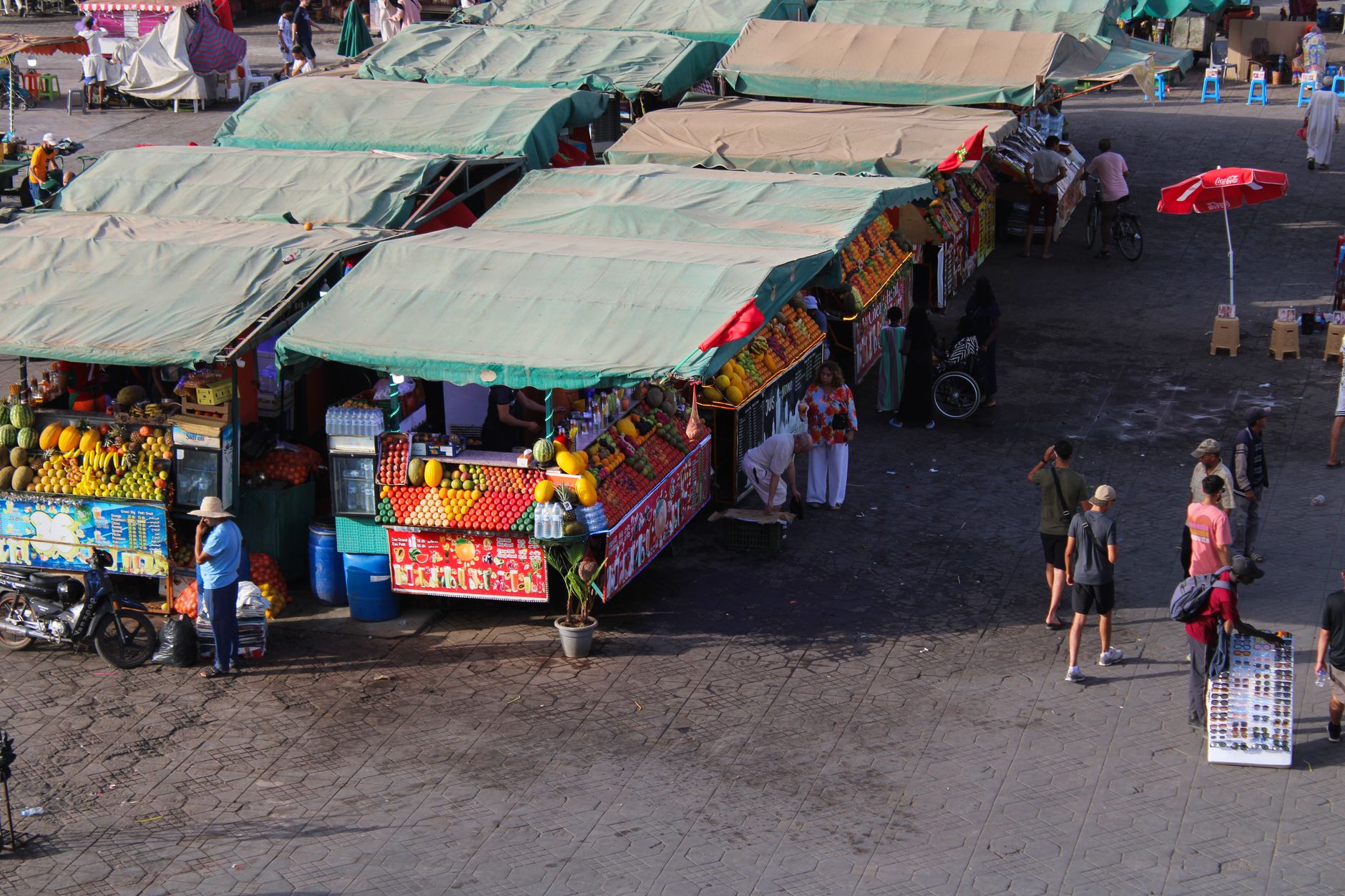
Morocco Represents 740 Majority-Women Local Farmers at 62nd International Paris Agriculture Expo - Morocco World News
ABITECH Analysis
·
Morocco
agriculture
Sentiment: 0.70 (positive)
·
23/02/2026
Morocco's delegation of 740 predominantly female farmers at the 62nd International Paris Agriculture Expo (SIA 2025) represents far more than symbolic representation—it signals a fundamental restructuring of North African agricultural supply chains that European investors cannot afford to ignore.
The Paris Agriculture Expo, Europe's largest annual agricultural trade show, attracts over 600,000 visitors and serves as the critical networking hub where agribusiness supply contracts worth billions are negotiated. Morocco's emphasis on women-led farming cohorts reflects both genuine agricultural modernization and a strategic repositioning within global food systems that have historically favored large-scale industrial operations.
**The Women-Led Agriculture Thesis**
Morocco's agricultural sector employs approximately 3.6 million people, representing roughly 11% of GDP and 40% of rural employment. Historically, women comprised a largely invisible segment of this workforce—often as unpaid family labor with minimal ownership or decision-making authority. The shift toward representing majority-women delegations at international expos indicates structural reform: cooperative formation, land access improvements, and credit facility expansion specifically targeting female farmers.
For European investors, this matters because women-led agriculture operations demonstrate measurable efficiency advantages. Research from the International Food Policy Research Institute shows female farmers achieve 20-30% higher yields per hectare when provided equal resource access. They also prioritize sustainable practices and supply-chain transparency—increasingly critical for European retailers facing stringent ESG (Environmental, Social, Governance) compliance requirements under EU Green Deal frameworks.
**Market Implications for European Supply Chains**
Morocco's agricultural exports to Europe totaled €2.1 billion in 2023, concentrated in fresh produce (tomatoes, citrus, strawberries, avocados) and olive oil. The country holds a 35% market share of EU winter strawberry imports and supplies 60% of off-season tomatoes. Any structural shift in production methodology—particularly toward smallholder, women-led operations—directly impacts European food retailers, processors, and distributors managing JIT (just-in-time) supply agreements.
The 740-farmer Paris delegation likely represents approximately 8,000-12,000 hectares of cultivated land (assuming 10-16 hectares per farming household). If these operations achieve the documented yield improvements from gender-equitable resource allocation, European importers could access 15-25% increased supply from existing land without additional cultivation expansion. This translates into competitive pricing stability and reduced supply-chain fragility—particularly valuable as climate volatility increases agricultural unpredictability across Mediterranean regions.
**Risk and Opportunity Framework**
The positive signal: Morocco is building institutional scaffolding (cooperatives, training, financing) to professionalize smallholder agriculture while maintaining direct EU market access through preferential trade agreements. This reduces middleman friction and improves traceability—crucial for organic and PDO (Protected Designation of Origin) certification requirements.
The risk consideration: Women-led agricultural collectives still face financing constraints. European investors entering partnerships must assess cooperative governance maturity, contract enforcement capability, and climate resilience infrastructure—particularly irrigation systems vulnerable to North African water scarcity intensification.
**Investment Angle**
The strategic opportunity exists not in farming operations themselves, but in ancillary agricultural infrastructure: cold-chain logistics, cooperative management software, organic certification facilitation, and precision agriculture technology adoption. European agritech companies positioned to support women-led Moroccan cooperatives gain privileged market access while supporting EU sustainability narratives essential for competitive positioning.
Gateway Intelligence
European agritech and agribusiness investors should target Moroccan agricultural cooperatives featuring >50% female membership, particularly those within 80km of port infrastructure (Casablanca, Tangier, Agadir). The Paris Expo delegation signals donor/development bank capital is flowing toward these operations—creating a 12-18 month window to establish partnerships before consolidation occurs. Prioritize companies offering cold-chain optimization, crop insurance tech, or organic certification support; avoid direct farming operations given land tenure complexities.
Sources: Morocco World News
infrastructure·23/03/2026
Get intelligence like this — free, weekly
AI-analyzed African market trends delivered to your inbox. No account needed.
