« Back to Intelligence Feed
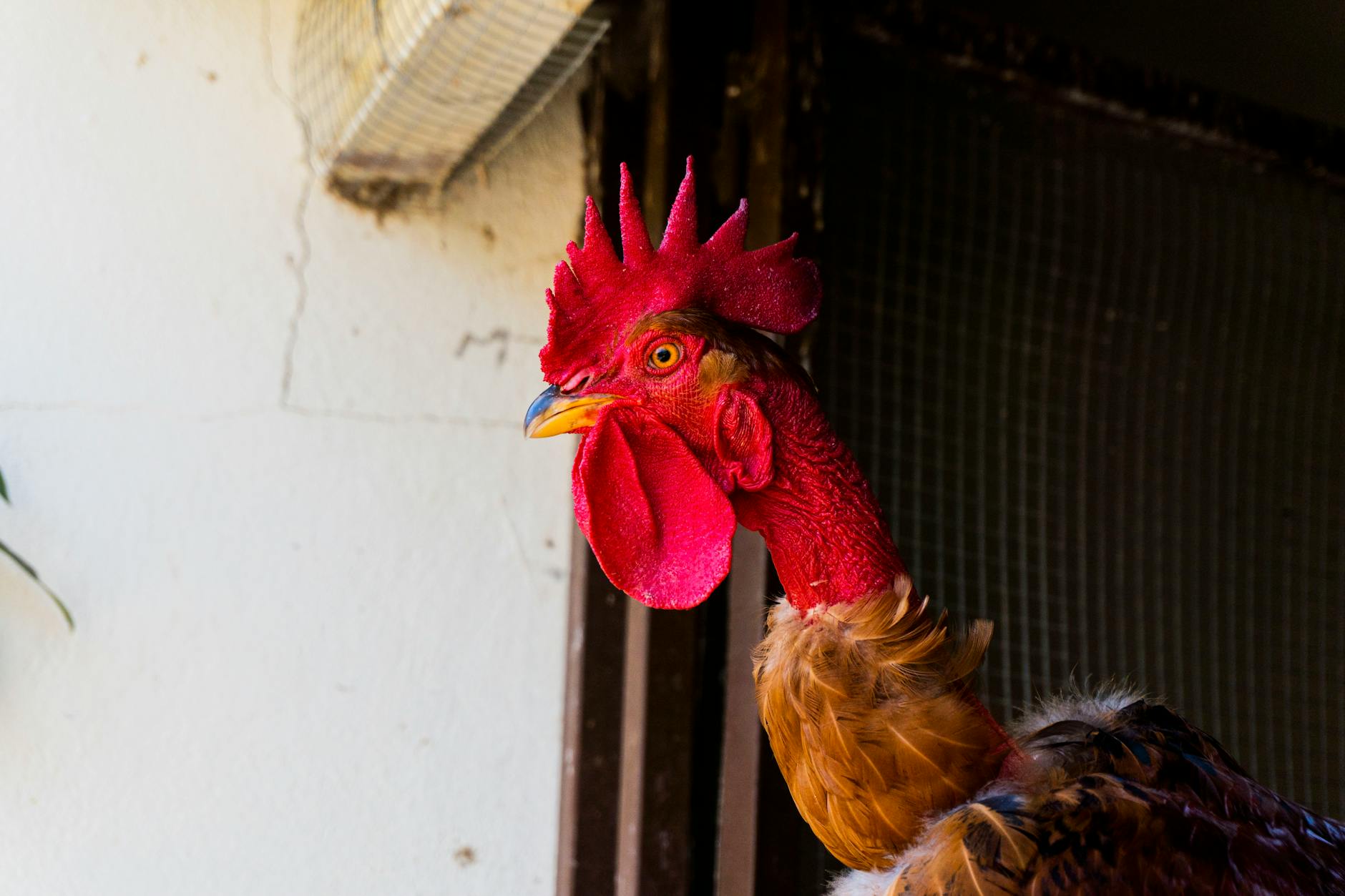
Poultry farmers kick against Nigeria–China $900 million poultry deal
ABITECH Analysis
·
Nigeria
agriculture
Sentiment: -0.65 (negative)
·
26/03/2026
Nigeria's poultry sector faces a pivotal moment as local farmers have mobilized against a proposed $900 million investment agreement between the Federal Government and Chinese investors. This industrial-scale intervention threatens to reshape Africa's largest poultry market and carries significant implications for European agribusiness operators already active in West Africa.
The core tension reflects a familiar pattern in African development infrastructure: rapid capital injection versus sustainable local capacity building. Nigerian poultry farmers fear the Chinese-backed initiative could flood the market with cheaper imports or establish production facilities that bypass local supply chains entirely, effectively crowding out the estimated 200,000+ small and medium-sized producers who currently generate roughly 90% of Nigeria's domestic poultry output. The $900 million scale of this deal—comparable to Nigeria's entire annual poultry sector revenue of approximately $1.2 billion—underscores legitimate concerns about market displacement.
From a macroeconomic perspective, Nigeria's poultry industry represents a critical non-oil revenue stream. The sector employs over 2 million workers across production, processing, and distribution and contributes roughly 15% of Nigeria's agricultural GDP. Unlike grain production, which faces seasonal volatility, poultry offers year-round employment and generates consistent foreign exchange opportunities through processed product exports to West African Economic Community (WAEC) nations.
The farmers' opposition also reflects deeper institutional challenges. Poor coordination between federal agricultural policy, local government implementation, and private sector actors has historically undermined previous investment deals. Without transparent governance frameworks, input supply agreements, and offtake commitments that benefit existing producers, the Chinese investment risks becoming an enclave operation that generates minimal spillover benefits for Nigeria's existing poultry ecosystem.
For European investors, this situation presents both cautionary lessons and practical opportunities. Several EU-based poultry producers and feed manufacturers operate in Nigeria's supply chain, particularly in specialized feed production and cold chain logistics. A poorly integrated Chinese investment could destabilize their operational assumptions about market structure and input costs. Conversely, European firms positioned in premium or niche segments—organic production, specialty breeds, or export-quality processing—may benefit if the Chinese investment consolidates commodity production, allowing European operators to capture higher-margin market segments.
The political economy matters here. Nigerian policymakers face pressure from both domestic producers (an important voting bloc in rural areas) and the need for foreign investment to modernize infrastructure. European investors should monitor how the Federal Government responds to this backlash. If negotiations shift toward conditions requiring local partnership, technology transfer, or guaranteed procurement from existing Nigerian producers, the deal's structure could fundamentally change.
Historical precedent suggests compromise is likely. Previous large-scale agricultural agreements in Nigeria—including cassava and rice initiatives—evolved after initial pushback to include local producer participation clauses. The $900 million poultry deal will probably follow a similar trajectory, eventually incorporating local sourcing requirements or joint-venture components.
Gateway Intelligence
European agribusiness firms should immediately assess their supply-chain exposure to potential market consolidation by gathering intelligence on which Chinese firms are involved and their operational model (import vs. local production). Positioned operators should consider strategic partnerships with local poultry associations to influence implementation terms in favor of hybrid models that create local supplier tiers—creating defensible competitive niches. Monitor Central Bank of Nigeria policy on foreign exchange controls; if the deal requires significant naira conversion, currency volatility could shift input costs dramatically, favoring firms with hedging capacity.
Sources: Nairametrics
infrastructure·26/03/2026
Get intelligence like this — free, weekly
AI-analyzed African market trends delivered to your inbox. No account needed.