« Back to Intelligence Feed
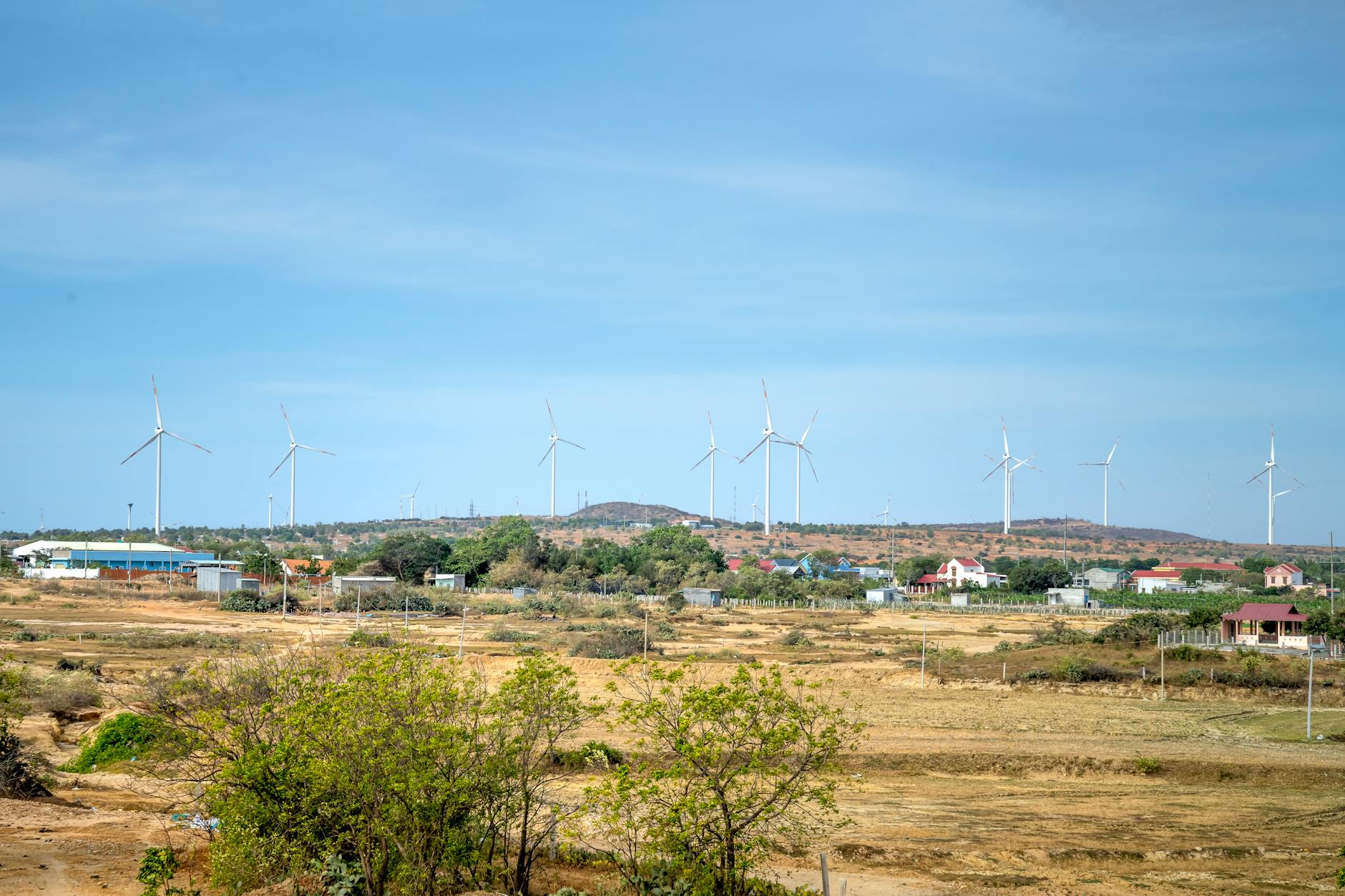
The African energy transition provides opportunity - The Business & Financial Times
ABITECH Analysis
·
Pan-African
energy
Sentiment: 0.75 (positive)
·
15/01/2026
Africa stands at an inflection point. While the continent generates just 2% of global greenhouse gas emissions, it faces a paradox: 600 million people lack reliable electricity access, yet it possesses 30% of the world's remaining mineral reserves and vast untapped renewable resources. For European investors, this intersection represents not a humanitarian obligation but a calculated opportunity with compelling risk-adjusted returns.
The African energy transition is accelerating beyond most capital markets' pricing. Solar capacity has grown 25% annually over the past five years, and wind projects are emerging across South Africa, Kenya, and Morocco. But the real story isn't about kilowatts—it's about capital flows. The International Energy Agency estimates Africa needs $130 billion annually in energy investment through 2030, yet receives less than $15 billion. This gap creates asymmetric opportunities for European investors with capital and technical expertise.
**The Investment Reality**
European corporates and funds have structural advantages. They understand grid interconnection standards that African utilities increasingly demand. They can navigate complex PPAs (Power Purchase Agreements) that now include bankable terms—a recent shift. And they possess patient capital that can weather the 18-36 month development cycles typical in African markets.
Consider South Africa's renewable energy auction system: Projects bid at $0.03-0.04/kWh with 20-year offtake agreements backed by sovereign Eskom guarantees. This is not speculative. A €50 million solar portfolio in South Africa delivers 8-12% IRR with subordinated debt at 4.5-5.5%. Compare that to European solar (3-4% returns) and the incentive becomes obvious.
Morocco's Noor Ouarzazate complex (580MW concentrated solar) attracted European consortium partners specifically because the project structure—guaranteed offtake, local currency hedging, political risk insurance—made 7-8% returns palatable to institutional capital. Kenya's geothermal sector similarly offers 6-9% returns on fully permitted, construction-ready assets.
**The Industrial Transition Angle**
But renewable energy assets alone miss the broader play. European manufacturers increasingly source from Africa—textiles, agritech, chemicals. What kills margins? Energy costs. South Africa's grid failures cost the economy $10 billion annually in lost production. This creates demand for industrial-scale solar + battery systems from European companies. First-mover advantage goes to firms offering integrated solutions: design, financing, installation, maintenance.
**Risks Are Real, Not Theoretical**
Currency devaluation (South African Rand volatility averages 15% annually). Regulatory shifts (Egypt changed renewable tariffs mid-project). Counterparty risk when utilities delay payments. European investors entering now must insist on hard currency clauses, political risk insurance (MIGA backing), and power offtake agreements denominated in dollars or euros. The opportunity premium exists precisely because these risks are real—but manageable for institutions with proper due diligence.
**The Timeline**
The 2024-2027 window is critical. African governments face debt crises that force energy infrastructure privatization. European capital arriving now negotiates from strength. In 36 months, competition will intensify and returns will compress toward 5-6%. The arbitrage window is closing.
The African energy transition isn't altruism. It's capital seeking yield in markets where supply-demand imbalances create pricing power. European investors with technical credibility, patient capital, and risk management discipline are positioned to capture disproportionate returns.
#
Gateway Intelligence
**European investors should target three entry points immediately: (1) Shovel-ready solar/wind assets in South Africa and Kenya trading at 7-10% levered returns with MIGA political risk coverage, (2) Industrial microgrid solutions serving European manufacturers' African operations (15%+ unlevered IRR, recurring revenue), and (3) Renewable energy funds focused on sub-Saharan Africa with 5-7 year track records and experienced local teams. Primary risk: currency devaluation and payment delays—mitigate via hard currency offtake agreements and escrow mechanisms. The 2024-2026 window offers >200bps premium to European renewable yields before competition normalizes returns.**
#
Sources: FT Africa News
Get intelligence like this — free, weekly
AI-analyzed African market trends delivered to your inbox. No account needed.