« Back to Intelligence Feed
The ANC’s sudden embrace of South African business - Financial Times
ABITECH Analysis
·
South Africa
macro
Sentiment: 0.65 (positive)
·
19/02/2026
After decades of ideological tension between the African National Congress and South African corporate interests, a striking political realignment is underway. The ANC's recent shift toward embracing rather than antagonizing the business community represents one of the most significant policy pivots in post-apartheid South Africa—with profound implications for European investors seeking exposure to Africa's largest economy.
The context is crucial. Since 1994, the ANC has navigated competing pressures: delivering on liberation promises to workers and the poor while governing an economy dependent on private capital. Under former president Jacob Zuma, this tension exploded into open conflict. State capture, regulatory uncertainty, and hostility toward business created what many observers called an "investment winter." European firms, particularly those from Germany, France, and the UK, scaled back exposure to South Africa during this period.
However, the party's recent repositioning reflects hard economic reality. South Africa's economy contracted in 2023, unemployment exceeds 32%, and the energy crisis (load shedding) has devastated productivity. The ANC's internal power struggles have also matured: pragmatists now dominate over the radical economic transformation faction. This internal shift has created political space for pro-business messaging.
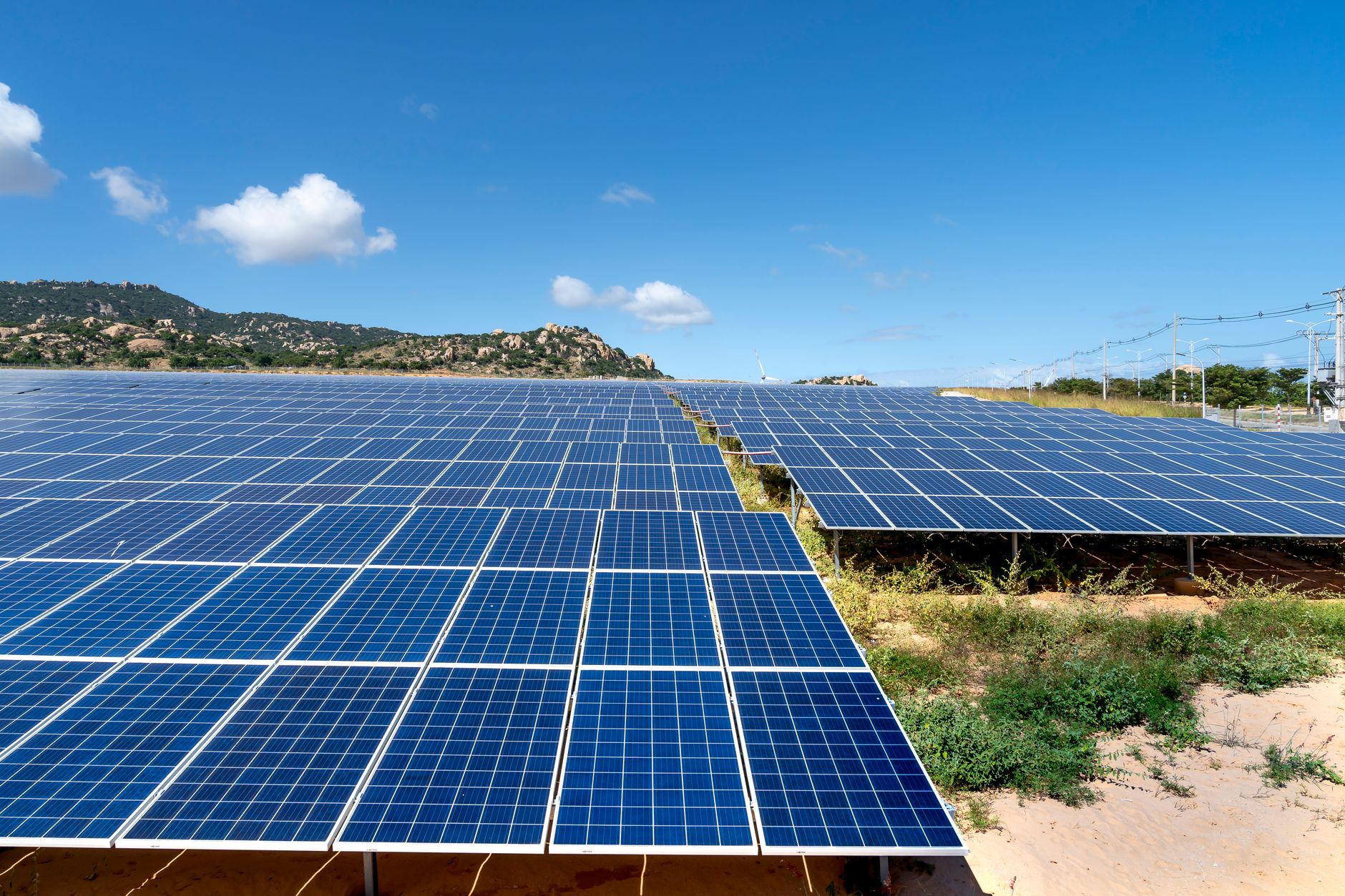
What does this mean practically? The ANC is signaling openness to private sector solutions for infrastructure, energy, and service delivery. Most significantly, this includes the controversial but economically critical energy sector. The government's accelerated licensing of renewable energy from private developers—a direct contradiction to earlier nationalist rhetoric—exemplifies this new approach. European renewable companies have already begun capitalizing, with projects across South Africa's solar and wind corridors attracting investment.
The business-friendly pivot also extends to labor relations and regulatory predictability. While the ANC remains constrained by alliance partners (COSATU trade unions), the party is quietly moderating its adversarial stance toward large employers. This creates incremental but real improvements in the investment climate.
For European investors, this represents a re-opening of opportunities after nearly a decade of caution. The JSE (Johannesburg Stock Exchange) has underperformed relative to emerging market peers, creating valuation opportunities. South African equities in financial services, telecommunications, and logistics trade at depressed multiples compared to historical averages and peer valuations in Nigeria and Kenya.
However, risks remain substantial. The ANC's political decline—evidenced by its loss of parliamentary majority in the 2024 elections—creates uncertainty about policy continuity. Coalition governance has introduced new variables. Additionally, the party's embrace of business remains conditional on employment creation and broad-based empowerment. Any perception that European investors are extracting value without local benefit could trigger rapid policy reversals.
The energy sector offers the clearest entry point for European capital. South Africa's renewable energy needs are enormous, timelines are compressed, and the regulatory framework—though complex—now genuinely permits private participation. This contrasts sharply with the obstruction of 2015-2022.
For investors in financial services, logistics, and consumer goods, the improved political tone should translate into reduced regulatory friction and more predictable operating environments. However, this is a multi-year thesis, not an immediate catalyst.
Gateway Intelligence
European investors should view South Africa's ANC pivot as a reopening rather than a reset—opportunities exist, but political volatility remains elevated. Priority sectors: renewable energy infrastructure (JSE-listed developers like Eskom-independent power producers), financial services (depressed valuations in JSE-listed banks), and logistics. Entry timing matters: use equity market dips (when load shedding spikes) to build positions at improved valuations. Critical risk: monitor ANC polling and coalition stability monthly—a further political deterioration could quickly reverse business-friendly sentiment.
Sources: FT Africa News
Get intelligence like this — free, weekly
AI-analyzed African market trends delivered to your inbox. No account needed.
