« Back to Intelligence Feed
Uganda's Healthcare Crisis: A €2.5B Market Opportunity Hidden Behind Systemic Gaps
ABITECH Analysis
·
Uganda
health
Sentiment: 0.30 (positive)
·
20/03/2026
Uganda's healthcare sector presents a paradox that demands attention from European investors and entrepreneurs: a population of 45 million people facing critical shortages across multiple medical disciplines, combined with government underinvestment that creates both urgent humanitarian needs and compelling business opportunities.
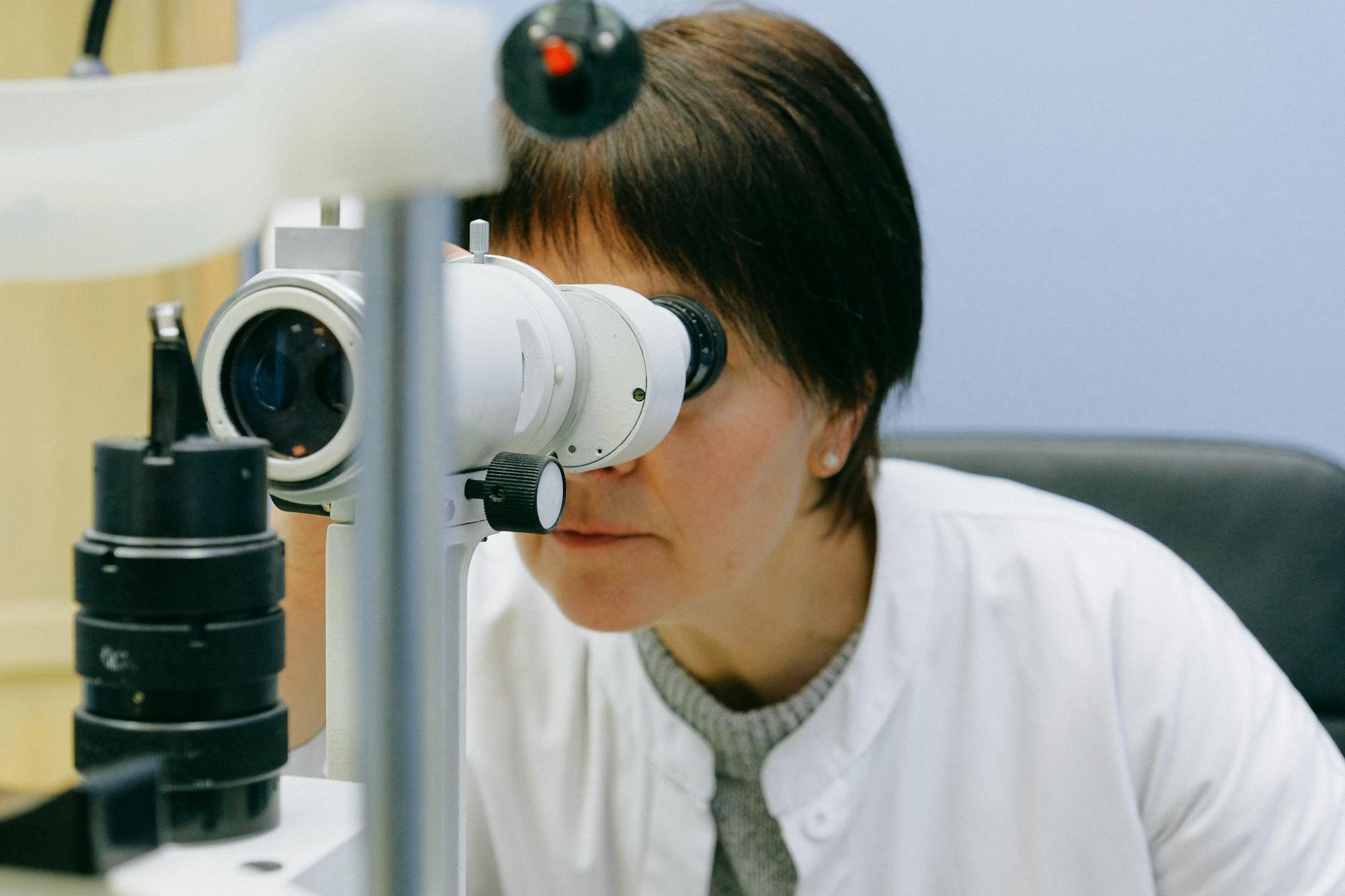
The scale of the problem is stark. Uganda currently has approximately 40 ophthalmologists serving its entire population—a ratio of roughly one eye care specialist per 1.1 million people. This compares catastrophically to European standards, where the ratio typically ranges from one per 50,000 to one per 100,000. The consequence is predictable: preventable blindness, undiagnosed refractive errors affecting workplace productivity, and school-age children unable to access basic vision correction. For a nation where 40% of the workforce depends on agriculture and manual labor, untreated eye disease directly translates to lost economic output.
The cancer care crisis runs equally deep. Professor Mansoor Saleh, head of the Department of Haematology Oncology at Aga Khan University Hospital (AKUH), has highlighted that most African governments—Uganda included—critically underfund cancer research and treatment infrastructure. This gap reflects a broader pattern: communicable diseases dominate health budgets, while non-communicable diseases (NCDs) like cancer, diabetes, and hypertension receive marginal resources despite their rising prevalence. Uganda's cancer mortality rates exceed 40 deaths per 100,000 annually, with late-stage diagnoses driving poor survival outcomes.
Yet workplace wellness reveals another dimension. Nutritionists and occupational health experts are urging Ugandan companies to implement dietary monitoring programs, recognizing that corporate food environments directly influence employee productivity and long-term health costs. This reflects international best practices now spreading across African markets: employers who invest in preventive health see measurable returns through reduced absenteeism and improved performance.
These three intersecting crises—ophthalmology shortages, cancer care underfunding, and workplace wellness deficits—indicate where smart capital can create impact while generating returns.
**Market Entry Opportunities:**
European telemedicine providers can rapidly scale eye care by training mid-level optometrists and establishing remote diagnosis networks with the existing 40 ophthalmologists, multiplying their capacity 5-10x. Initial investment: €150,000-€500,000 for platform development and local training programs.
Oncology diagnostics companies (pathology labs, imaging centers) face zero competition in most Ugandan regions. A single CT/MRI diagnostic center in Kampala generates 400-600 referrals monthly at €80-€150 per scan—€38,000-€90,000 monthly revenue with 70% gross margins.
Corporate wellness platforms targeting multinationals and growing Ugandan enterprises (telecom, banking, manufacturing) can charge €2-€5 per employee monthly for integrated nutrition, fitness, and preventive screening. With 200,000+ formal sector employees in Uganda, addressable market exceeds €4.8M annually.
**Critical Risks:**
Government healthcare policy remains unpredictable. Currency volatility (UGX-EUR fluctuates 8-12% annually) impacts imported equipment costs. Regulatory frameworks for medical services lack clarity; operational licenses can take 6-12 months.
Uganda's healthcare spending sits at just 6.2% of government budget—among Africa's lowest. This structural constraint means sustainability depends on private sector adoption and international NGO partnerships, not government procurement.
Gateway Intelligence
The highest-probability entry point for European investors is partnering with existing NGOs like the Uganda Women Concern Ministry (which operates health outreach programs) to pilot telemedicine and diagnostics in underserved regions. This de-risks regulatory barriers while providing immediate revenue from international donor funding. Second: target multinational employers directly (Ugandan operations of European manufacturing, telecom, and finance firms) with white-label corporate wellness solutions—these clients have hard currency and demand European standards.
Sources: Daily Monitor Uganda, Daily Monitor Uganda, Daily Monitor Uganda, Daily Monitor Uganda
infrastructure·20/03/2026
Get intelligence like this — free, weekly
AI-analyzed African market trends delivered to your inbox. No account needed.
