« Back to Intelligence Feed
Shockwaves from the Gulf: How the Iran war could reshape Africa’s economic outlook
ABITECH Analysis
·
South Africa
macro
Sentiment: -0.75 (very_negative)
·
23/03/2026
The escalating conflict between Iran and regional powers represents far more than a geopolitical headline for European investors focused on Africa. It is a latent economic shock traveling through supply chains, commodity markets, and financial systems with the speed of a container ship through the Suez Canal—which, notably, remains one of the world's most vulnerable chokepoints.
For European entrepreneurs operating across African markets, the Iran situation creates a three-layer transmission mechanism that demands immediate strategic attention.
**The Energy Price Shock**
Africa's energy economics remain deeply intertwined with global crude oil pricing. A significant escalation in the Gulf would immediately push Brent crude upward, with spillover effects across the continent. Nigeria, Angola, and Equatorial Guinea—Africa's largest oil producers—would initially benefit from higher prices, potentially strengthening their fiscal positions. However, this reprieve masks deeper vulnerabilities. Oil-importing African nations, particularly in East Africa and the Sahel, face compressed margins on energy imports, which cascades into higher logistics costs, electricity tariffs, and manufacturing expenses. For European investors in sectors like telecommunications, fast-moving consumer goods, or light manufacturing across these regions, energy cost inflation erodes already-thin operating margins and amplifies currency depreciation pressures.
**Shipping and Trade Route Disruption**
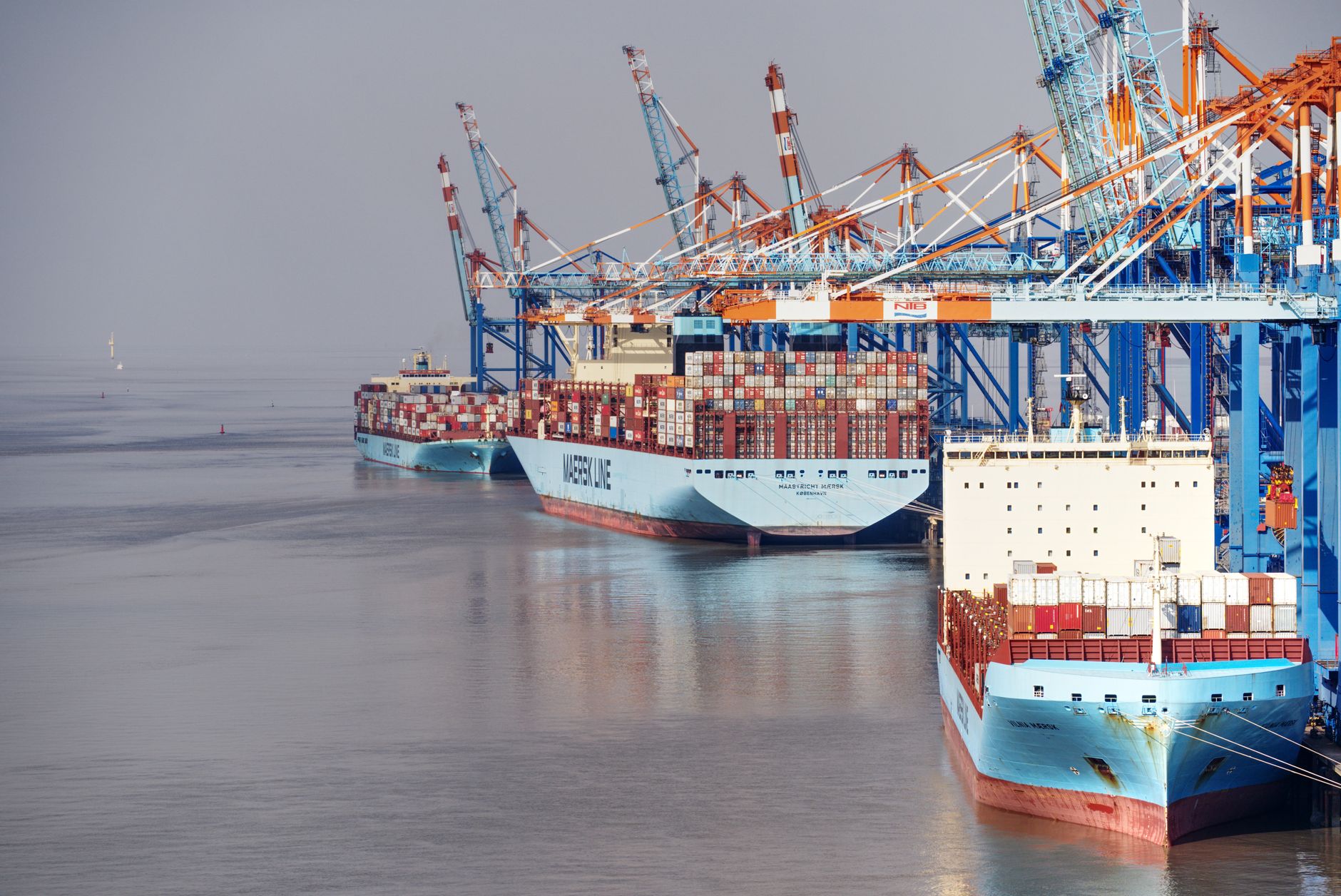
The Suez Canal handles approximately 12% of global trade, with significant African commodity flows—particularly Egyptian exports and East African imports. Any military escalation creating insurance premium spikes or shipping delays would immediately increase the cost of getting African goods to European markets and vice versa. More critically, alternative routing around the Cape of Good Hope adds 6-10 days to transit times and substantially higher fuel costs. For perishables (East African flowers, Ethiopian coffee, West African cocoa), this creates existential margin pressure. European importers already operating with thin logistics costs face margin compression that may force consolidation or geographic reallocation away from certain African suppliers.
**Currency and Capital Flight**
Geopolitical risk appetite typically triggers capital outflows from emerging markets toward safe havens. African currencies—particularly those in countries with existing current account deficits (Kenya, South Africa, Ghana)—become vulnerable to depreciation. For European investors with local currency exposure, revenue streams, or unhedged liabilities, this creates immediate translation losses. Moreover, local borrowing costs spike as central banks raise rates to defend currencies, making local-currency financing more expensive for any African subsidiary or venture.
**The Opportunity Within the Crisis**
European investors with sufficient capital buffers and three-to-five-year time horizons should recognize this as a potential accumulation window. African asset valuations, already depressed by structural challenges, could reach genuine bargain levels if geopolitical uncertainty intensifies. Companies with hard-currency revenue streams (tech, energy services, financial infrastructure) trading at distressed multiples may represent exceptional entry points for patient capital.
The critical variable: diversification. Investors concentrated in energy-importing markets face acute near-term risks. Those positioned across commodity exporters and sectors insulated from logistics costs (financial services, software, business process outsourcing) remain more resilient.
Gateway Intelligence
European investors should immediately conduct currency and energy cost sensitivity analyses on existing African portfolios; those with >20% margin exposure to fuel costs or unhedged local-currency revenue should consider tactical hedging within 30-60 days. Simultaneously, accumulate watchlists in telecoms and fintech across Nigeria, Kenya, and Côte d'Ivoire—these typically hold steady during energy shocks and may reach 12-18-month buying windows if regional currency volatility accelerates further. Avoid new greenfield capital deployment in oil-importing nations until Suez geopolitical risk indicators stabilize or crude prices show clear stabilization signals.
Sources: Daily Maverick
Get intelligence like this — free, weekly
AI-analyzed African market trends delivered to your inbox. No account needed.
