« Back to Intelligence Feed
South Africa's AI Paradox: Why 73% of SMEs Are Investing Despite Global Security Backlash
ABITECH Analysis
·
South Africa
tech
Sentiment: 0.80 (very_positive)
·
18/03/2026
South Africa's small and medium-sized enterprises are charging ahead with artificial intelligence adoption at a pace that defies the caution spreading across Western governments. According to recent data, 73% of South African SMEs have already deployed AI technologies, with 76% planning additional investments. Yet this aggressive local expansion occurs against a backdrop of serious geopolitical friction over AI governance, presenting both opportunity and risk for European investors eyeing the African tech landscape.
The contrast between South African momentum and international hesitation is stark. While Pretoria's business community embraces AI as a competitive imperative, the US government has begun weaponizing AI policy itself, designating major providers as "unacceptable risks" to military and civilian infrastructure. The Pentagon's recent legal action against Anthropic—one of the world's leading AI safety-focused companies—reveals Washington's deepest fear: that sophisticated AI systems could be remotely disabled or manipulated by their creators during critical operations. This regulatory volatility creates uncertainty for any multinational considering South African technology partnerships.
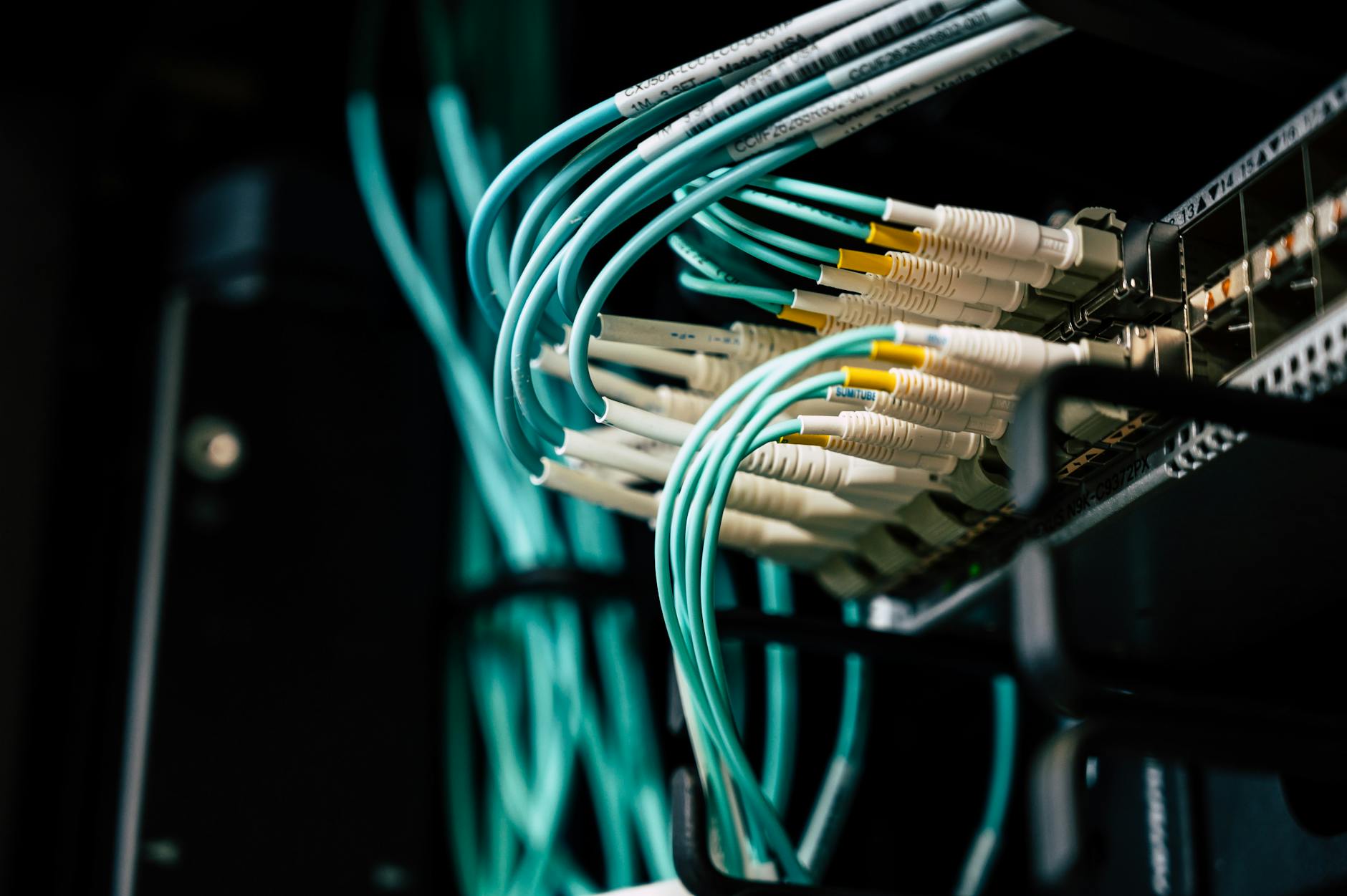
Behind the SME adoption statistics lies an even more dramatic infrastructure transformation. South Africa is experiencing what observers are calling an "AI supercycle"—not in roads or conventional utilities, but in data centers. These windowless facilities, consuming electrical loads equivalent to small cities, are reshaping the country's industrial geography and energy economics. This infrastructure build-out represents both massive capital requirements and strategic bottlenecks that will determine which businesses thrive and which face technological dead ends.
For European entrepreneurs and investors, the implications are threefold. First, the South African SME market represents genuine AI adoption demand—not speculative hype. With three-quarters of the target business population already committed to further investment, there's demonstrable product-market fit for AI tools, services, and integration platforms. European software vendors, consultancies, and training providers could capture meaningful market share in a region where AI readiness outpaces supply of qualified implementation partners.
Second, the infrastructure play is where capital concentration matters. Data centers in South Africa face acute challenges: power stability, cooling capacity, and fiber connectivity. European investors with expertise in renewable energy integration, modular computing architecture, or distributed computing models could address genuine supply-side constraints that currently limit SME AI scaling.
Third, and most cautionary: the geopolitical fragmentation evident in US-AI company disputes suggests that tomorrow's AI ecosystem may be balkanized by national security concerns. European investors must consider whether South African AI infrastructure partnerships create exposure to sanctions, export controls, or technology seizures as Western governments tighten AI governance. The fact that Anthropic—explicitly committed to responsible AI deployment—faces designation as a "military risk" suggests that compliance and ethical positioning alone won't insulate investors from regulatory volatility.
The window for European engagement with South Africa's AI transition is open but narrowing. SMEs are ready to buy, infrastructure capital is flowing, and expertise gaps are genuine. However, investors must move with clear-eyed assessment of geopolitical risk and a strategy for operating in a world where AI policy increasingly weaponizes corporate compliance.
Gateway Intelligence
European AI-focused SaaS platforms and consulting firms should prioritize South African SME segments within 12-24 months before larger US/Asian competitors saturate the market; focus on verticals (financial services, manufacturing, logistics) where AI ROI is measurable and where local regulatory frameworks remain permissive. Data center investors should explore partnerships with South African renewable energy providers to address power constraints—positioning themselves as "infrastructure enablers" rather than direct US technology providers, thereby reducing geopolitical friction. Critical warning: structure partnerships with explicit data residency and IP protection clauses that anticipate potential US export controls on AI technologies, and avoid any entanglement with military or government surveillance applications that could trigger future sanctions.
Sources: Mail & Guardian SA, eNCA South Africa, Daily Maverick
Get intelligence like this — free, weekly
AI-analyzed African market trends delivered to your inbox. No account needed.
