« Back to Intelligence Feed
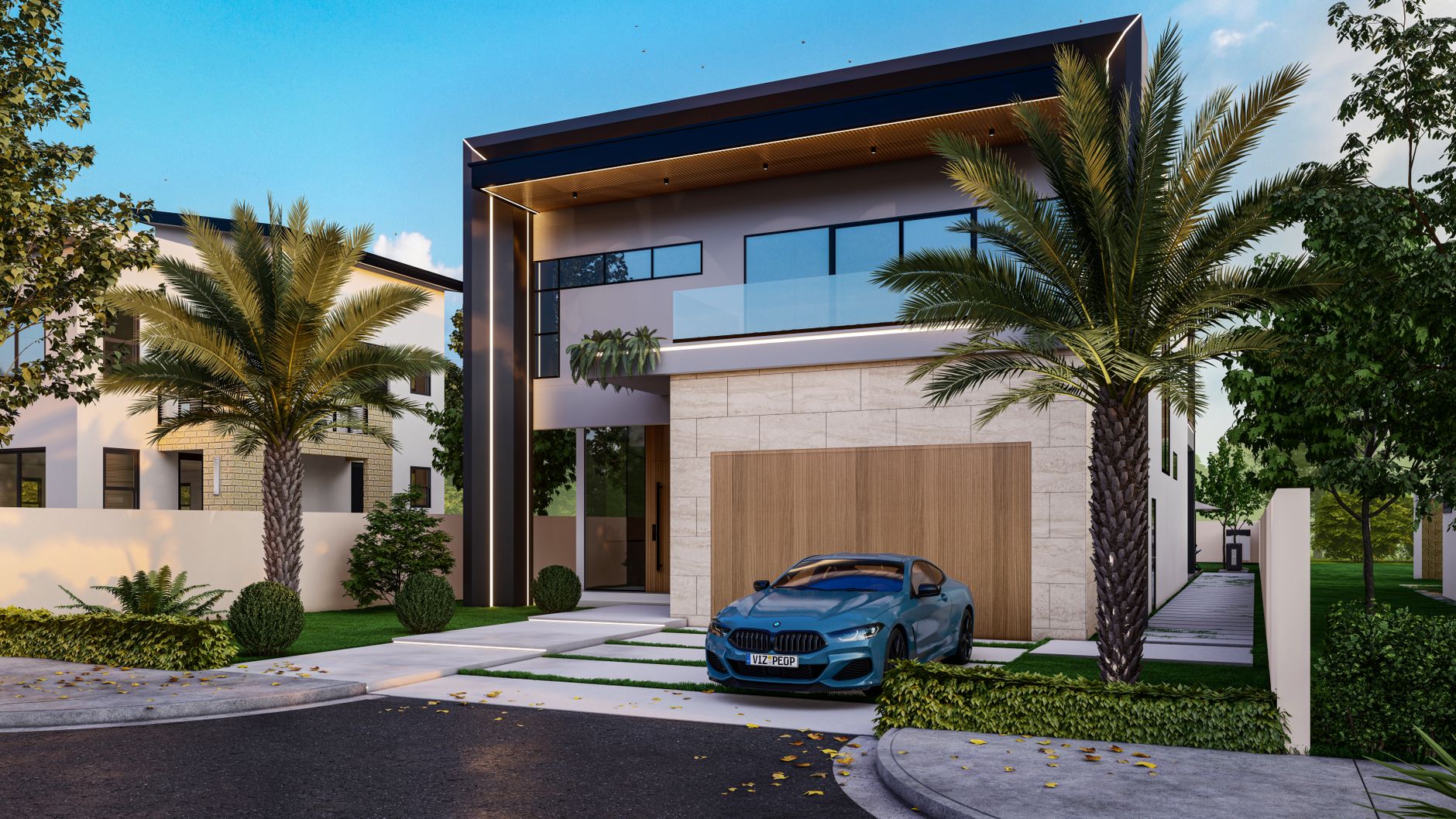
Kenya’s luxury property market shifts to wellness as SILVA Gigiri launches
ABITECH Analysis
·
Kenya
infrastructure
Sentiment: 0.70 (positive)
·
28/03/2026
Kenya's ultra-premium residential market is undergoing a fundamental repositioning. The launch of SILVA Gigiri—a wellness-integrated luxury development in one of Nairobi's most exclusive neighborhoods—signals a broader architectural and investment shift that European capital should take seriously.
For decades, African luxury real estate followed a conventional formula: high-security compounds, golf courses, and ostentatious square footage. But Nairobi's wealthiest residents—a cohort increasingly composed of tech entrepreneurs, medical professionals, and diaspora investors—are demanding something different. They want properties embedded with health infrastructure: fitness centers designed by Olympic trainers, medical-grade air filtration, biophilic architecture, organic farming spaces, and wellness concierge services. SILVA Gigiri exemplifies this new template.
This isn't merely aesthetic evolution. It reflects three converent market forces that European investors must understand:
**First, demographic reinvention.** Kenya's ultra-high-net-worth population (>$10 million liquid assets) has grown 34% since 2019, concentrated in tech, financial services, and manufacturing. These are globally-mobile individuals who've lived in London, Singapore, and New York. They compare Nairobi developments against Mayfair penthouses and Hong Kong waterfront properties. Traditional African luxury no longer competes. Wellness-integrated design does.
**Second, post-pandemic revaluation of home.** COVID-19 permanently altered how high-income earners perceive residential property. The home is no longer simply a status symbol or passive real estate asset—it's now infrastructure for longevity, productivity, and family wellbeing. Developers who ignored this shift are sitting on aging inventory. Those who embraced it are commanding 18-22% price premiums over comparable non-wellness developments.
**Third, ESG capital inflows.** European institutional investors—pension funds, family offices, impact funds—are increasingly active in African real estate but with explicit sustainability criteria. A wellness development with certified organic food systems, renewable energy integration, and health outcome metrics is dramatically more fundable than a conventional luxury tower. SILVA Gigiri's positioning directly addresses European capital appetites.
**Market implications for European investors:**
The Nairobi luxury market has historically offered 8-12% annual appreciation. Wellness-focused segments are seeing 15-19% year-over-year growth, with sustained demand from both owner-occupiers and institutional buyers seeking yield + impact. This creates a genuine arbitrage opportunity: the premium for wellness-integrated design in Nairobi remains 15-20% below equivalent developments in Cape Town or Johannesburg, meaning upside exists before market equilibration.
However, execution risk is substantial. Wellness developments require specialized management (maintaining health standards, managing organic systems, coordinating concierge services). Developers without hospitality or medical sector experience frequently underdeliver on promise. European investors should scrutinize operational teams, not just architectural renderings.
The broader trend suggests that "African luxury" is professionalizing. The era of simple security + size is ending. Nairobi's next-generation wealth wants global-standard living conditions with African location advantages. Developers and investors who understand this transition will capture outsized returns. Those who cling to old formulas will face margin compression and extended holding periods.
SILVA Gigiri's success will likely catalyze copycat projects across Nairobi and beyond. The window for being first-mover in wellness-integrated segments is narrowing.
---
Gateway Intelligence
European investors should monitor wellness-focused luxury developments across tier-1 African cities as a yield arbitrage play: current premiums (15-20%) remain below equivalent markets, but demographic and capital-flow dynamics will compress this gap within 24-36 months. Direct play: identify developers with completed luxury projects and track their pipeline—those pivoting toward wellness positioning today will command fundraising advantages and sales velocity advantages tomorrow. Key risk: operational execution; prioritize partnerships with proven hospitality or medical-sector management teams, not architecture-only firms.
---
Sources: Capital FM Kenya
Get intelligence like this — free, weekly
AI-analyzed African market trends delivered to your inbox. No account needed.
