« Back to Intelligence Feed
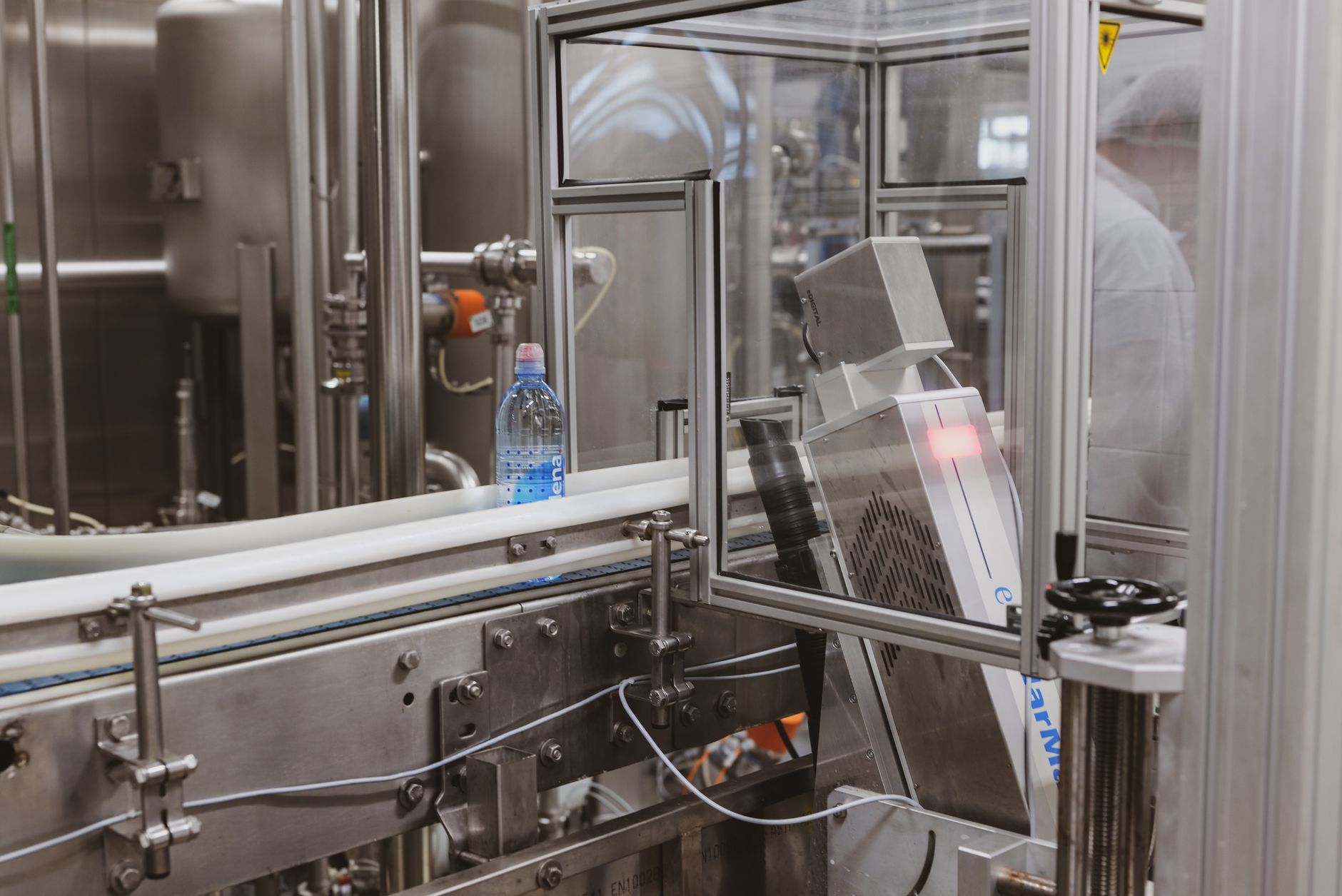
Ultimum Limited Commissions Production Plant, Unveils Expansion Plan
ABITECH Analysis
·
Nigeria
agriculture
Sentiment: 0.75 (positive)
·
28/03/2026
Ultimum Limited, a regional player in Nigeria's competitive fast-moving consumer goods (FMCG) sector, has officially commissioned a beverage manufacturing facility in Aba, Abia State, positioning itself for accelerated market penetration in West Africa's largest economy. The move represents more than routine capacity expansion—it reflects a strategic repositioning within Nigeria's soft drinks market, where consolidated production and supply chain efficiency increasingly determine profitability.
Nigeria's carbonated soft drink (CSD) market has long been dominated by multinational heavyweights like Coca-Cola and PepsiCo, which control approximately 70% of market share through established distribution networks and brand recognition. However, the market has demonstrated growing appetite for regional alternatives, particularly among price-sensitive consumers in secondary and tertiary cities. This gap has created opportunities for nimble domestic manufacturers willing to invest in modern production infrastructure. Ultimum's Razzl brand—positioned as a value-conscious alternative to premium international offerings—directly targets this demographic.
The Aba commissioning holds particular significance given Abia State's industrial positioning. Located within the Osisioma Industrial Layout, a cluster increasingly attracting FMCG investment, the facility positions Ultimum closer to supply chains serving the Southeast and potentially Eastern markets. Aba itself has emerged as a manufacturing hub, with reduced operational costs compared to Lagos while maintaining reasonable logistics connectivity. For European investors evaluating Nigeria exposure, this geographic diversification away from Lagos-centric operations signals evolving industrial patterns that merit attention.
From a market dynamics perspective, the facility's scale matters. Modern beverage plants typically achieve economies of scale at 50-100 million liters annually. If Ultimum's Aba operation reaches mid-market capacity, the company could capture meaningful volume in underserved regions while maintaining cost structures competitive with multinational incumbents. This threatens neither Coca-Cola nor PepsiCo's premium positioning, but does create shelf-space competition in the mass-market segment where margins compress rapidly.
European investors considering indirect exposure through supply chains, distribution networks, or even acquisition targets should monitor several indicators. First, the company's ability to secure sustained distribution beyond owned channels—this determines whether the investment translates to revenue growth or becomes stranded capacity. Second, input cost management, particularly sugar and packaging materials, where currency volatility and import dependency create margins compression. Third, regulatory compliance with Nigeria's recently tightened food safety standards, which favor manufacturers with certified modern facilities.
The expansion plan's specifics remain partly undisclosed in available reporting, but the fact that announcement preceded full operational stabilization suggests confidence in demand forecasts. This could indicate either strong pre-orders from distributors or optimistic internal projections. European stakeholders should seek clarification on volume targets, pricing strategy, and capital allocation priorities.
Nigeria's beverage sector remains structurally attractive—rising middle-class consumption, weak local currency making imports expensive, and persistent logistics challenges favoring domestic production. However, entry requires capital discipline and operational excellence. Ultimum's move demonstrates that domestic players are increasingly matching these requirements, reshaping competitive dynamics.
Gateway Intelligence
Ultimum Limited's facility commissioning signals emerging competition in Nigeria's beverage sector, but represents an *opportunity* rather than a threat for European investors: the company's success validates the mass-market segment's profitability and could attract strategic buyers or private equity seeking Nigeria FMCG exposure. European investors should monitor Ultimum's volume growth over the next 3-4 quarters; if capacity utilization exceeds 70% within 18 months, the company becomes acquisition-target material for regional or international FMCG platforms seeking Nigeria diversification. Key risk: currency devaluation eroding naira-denominated margins—ensure any investment includes forex hedging provisions.
Sources: Nairametrics
Get intelligence like this — free, weekly
AI-analyzed African market trends delivered to your inbox. No account needed.
