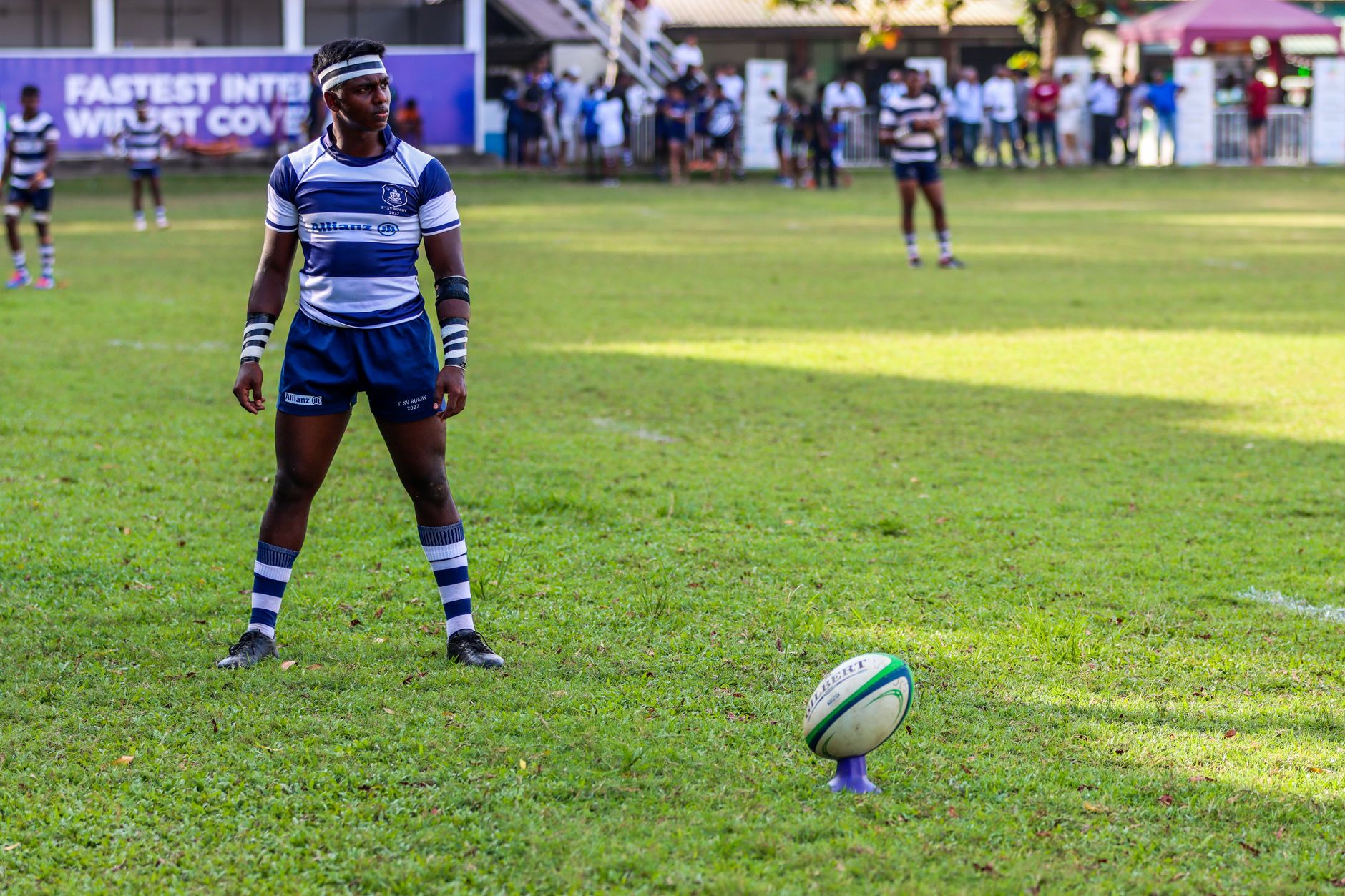
South Africa's national rugby programme is undergoing a strategic repositioning that extends far beyond the football pitch, with implications for European investors seeking exposure to Africa's sports management and talent development ecosystems. The Springboks coaching staff's deliberate emphasis on developing younger players through structured alignment camps represents a broader shift in how African sports organisations are professionalising their talent pipelines—a trend with significant commercial applications.
The decision to accelerate youth development ahead of the 2027 Rugby World Cup reflects a sophisticated understanding of competitive advantage in elite sport. Rather than relying solely on aging rosters, the South African Rugby Union (SARU) is making calculated investments in long-term institutional capability. This approach mirrors global best practices seen in European football academies, yet remains relatively underexploited across most African sports federations. For European investors, this represents a case study in how structured talent systems create measurable returns through tournament success, sponsorship growth, and media rights valuations.
The economics are compelling. World Cup tournaments generate exponential increases in broadcasting rights, corporate sponsorships, and merchandise revenues for participating nations. The 2023 Rugby World Cup generated over $1.5 billion in global media rights alone, with host nations and successful participants capturing disproportionate shares. South Africa's track record as a competitive nation ensures strong commercial interest regardless of immediate outcomes, but a younger, more dynamic squad creates additional narrative value that sponsors actively pursue.
What makes this youth strategy particularly noteworthy is its institutional discipline. Alignment camps—intensive training periods designed to synchronise tactical approaches, physical conditioning, and psychological preparation—represent significant capital expenditure. These camps require world-class facilities, coaching staff, and scientific support systems. For European companies operating in sports infrastructure, sports science technology, or talent management consulting, this signifies expanding demand across African professional sports organisations seeking to compete at elite levels.
The broader market context matters significantly. African nations are increasingly recognising that competitive sporting success generates disproportionate soft power and economic benefits.
Nigeria,
Kenya, and
Morocco are investing heavily in athletic development. However, South Africa's rugby programme demonstrates how strategic, long-term talent investment—rather than short-term spending—produces sustainable competitive advantage. This distinction is crucial for European investors evaluating African sports
investment opportunities.
The financial implications extend beyond rugby itself. Successful national sports programmes attract premium talent to domestic leagues, enhance tourism appeal, and create opportunities across hospitality, media production, and sports marketing sectors. A competitive Springboks squad translates into higher stadium attendance, increased merchandise sales, and enhanced sponsorship premiums for domestic rugby franchises.
However, European investors should recognise structural challenges. South African rugby operates within a highly competitive global landscape where established European and Southern Hemisphere nations command disproportionate resources. The youth development strategy mitigates but does not eliminate this disadvantage. Additionally, South African sports funding remains subject to currency volatility and inconsistent governmental support, creating execution risk for long-term projects.
The strategic shift nonetheless signals that African sports management is maturing toward professional, data-driven approaches increasingly aligned with European and global standards. This professionalisation creates genuine opportunities for European service providers and investors with the patience to develop long-term positions in African sports ecosystem development.
Get intelligence like this — free, weekly
AI-analyzed African market trends delivered to your inbox. No account needed.